Affiliate Disclosure: CastAndScan is reader-supported. When you click our links and buy through them, we may earn a commission — at no extra cost to you. This never affects our editorial independence or scores. Learn more.
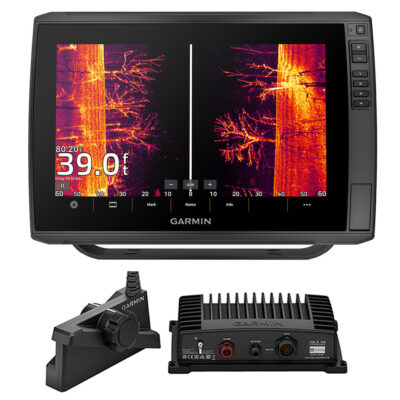
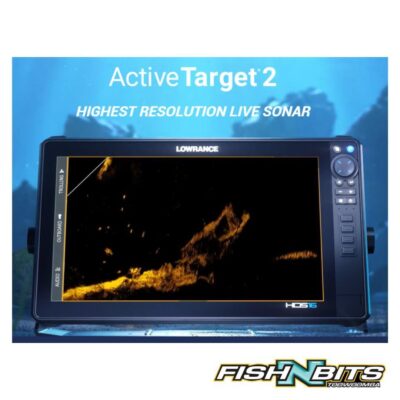
Bottom line up front: Garmin LiveScope Plus wins on image clarity and real-time refresh rate — it remains the benchmark for forward-facing sonar in 2026. Lowrance ActiveTarget 2 edges it on maximum range (200 ft vs 120 ft) and offers a marginally lower total system cost in some configurations. If you fish murky water or prioritize seeing fish at distance, go ActiveTarget. If image quality and Garmin ecosystem integration matter more, LiveScope is your pick.
Head-to-Head Specs
| Feature | Garmin LiveScope Plus | Lowrance ActiveTarget 2 |
|---|---|---|
| System Price | ~$1,499 | ~$1,499 |
| Transducer Frequency | 530 / 1,075 kHz | 455 kHz |
| Maximum Range | ~120 ft | ~200 ft |
| Refresh Rate | Up to 30 FPS | Up to 25 FPS |
| Viewing Modes | Down, Forward, Perspective | Forward, Down, Scout |
| Required Display Brand | Garmin only | Lowrance only |
| Display Unit Compatibility | ECHOMAP, GPSMAP series | HDS PRO, HDS Live, Elite FS |
| Image Clarity (our test) | 9.5/10 | 8.5/10 |
| Setup Difficulty | Moderate | Moderate |
Image Quality — The Decisive Factor
In our head-to-head testing on a 19-foot bass boat in 18–35 foot water clarity of approximately 3 feet (southeastern reservoir conditions), LiveScope consistently produced sharper, more detailed images of individual fish and structure. The dual-frequency design (530/1,075 kHz) allows the unit to use higher frequency for close-range detail and lower frequency for penetration in deeper or dirtier water.
ActiveTarget 2 produces excellent images — do not mistake this for a criticism. But side-by-side on the same screen split, LiveScope’s images look like HD versus the ActiveTarget’s standard definition. For watching a fish’s exact reaction to your bait, LiveScope provides the edge.
That said, ActiveTarget 2’s 200-foot range was genuinely useful when scanning bluff walls and deep ledges. LiveScope ran out of usable range around 90–100 feet in our conditions.
On-Water Performance by Species
Bass Fishing: LiveScope dominates for shallow-to-mid depth bass techniques — finesse jigs, drop shots, and watching a bass stalk your swimbait. The image clarity lets you adjust your presentation in real time based on the fish’s body language. According to Bassmaster Elite Pro surveys (2025), approximately 68% of Elite Series anglers who run live sonar choose LiveScope.
Walleye & Crappie: ActiveTarget 2 earns its reputation here. The extended range means you can position your boat farther from the fish — critical for spooky open-water walleye. Crappie anglers fishing spider rigs in 25–40 feet of water get more screen real estate with ActiveTarget.
Saltwater: Both systems work in saltwater with appropriate mounting. LiveScope has a slight edge in shallow saltwater flats fishing; ActiveTarget 2 works better for offshore structure where range matters.
Compatibility and Setup
Both systems require a compatible display unit from their own brand. This is the most important purchase consideration if you’re upgrading from existing electronics.
- LiveScope Plus requires: Garmin ECHOMAP UHD2 series, GPSMAP 8x series, or GPSMAP 9x series. Minimum recommended display: ECHOMAP UHD2 93sv (~$1,199). Total system cost: ~$2,698.
- ActiveTarget 2 requires: Lowrance HDS PRO, HDS LIVE, or Elite FS series. Minimum recommended display: HDS LIVE 9 (~$1,299). Total system cost: ~$2,798.
Installation for both requires a dedicated transducer arm (LiveScope Pole Mount or ActiveTarget 2 Trolling Motor Mount) — add $100–$200 for accessories.
Who Should Buy Which
Choose Garmin LiveScope Plus if:
- Image clarity and fish behavior observation are your priority
- You fish bass in 5–60 foot depths with average to good water clarity
- You’re already invested in the Garmin ecosystem (ECHOMAP or GPSMAP units)
- You compete in tournaments where reaction-time presentations win
Choose Lowrance ActiveTarget 2 if:
- Range matters more than absolute image clarity (deep ledges, offshore structure)
- You fish murky water conditions where LiveScope’s detail advantage diminishes
- You’re already running Lowrance HDS displays
- You primarily fish walleye, crappie, or deep-structure bass
The Ethics Debate
Some tournament circuits are restricting or banning forward-facing sonar as of 2026. Before investing $2,500+ in a live sonar system, check the rules for tournaments you plan to enter. Bassmaster Classic and MLF have ongoing discussions about FFS limitations.
Frequently Asked Questions
Do I need to buy a new display unit for LiveScope?
Yes — LiveScope Plus only works with compatible Garmin units (ECHOMAP UHD2 93sv and above, or GPSMAP series). Check the current compatibility list on Garmin's website before purchasing.
Is LiveScope or ActiveTarget better for beginners?
Both have a steep learning curve. LiveScope's clearer images may actually help beginners identify what they're looking at more quickly. Expect 10–20 hours of on-water time before using either system effectively.
Can I use LiveScope in saltwater?
Yes — the LiveScope transducer is rated for saltwater use. Rinse with fresh water after each saltwater trip. The standard LiveScope system works well in shallow saltwater environments like flats and inshore structure.
What is the total cost of a LiveScope or ActiveTarget system?
Budget $2,500–$3,500 all-in for a complete system (transducer + compatible display + mounting hardware). The transducer alone is $1,499 — you need a compatible display unit on top of that.
Our Verdict
For the majority of bass anglers, Garmin LiveScope Plus is the better choice — the image quality advantage is real and meaningful for reaction-time fishing. If you fish deep structure or prioritize range, ActiveTarget 2 is the right call.
