Ice fishing electronics differ fundamentally from open-water fish finders. The key technology is the flasher — a real-time circular display that shows your jig and approaching fish simultaneously at sub-second response speeds that LCD screens simply cannot match for active jigging. This guide covers the best ice fishing electronics for 2025–2026 season, from entry-level flashers to full live sonar ice packs.
Affiliate Disclosure: CastAndScan is reader-supported. When you click our links and buy through them, we may earn a commission — at no extra cost to you. This never affects our editorial independence or scores. Learn more.
Best Ice Fishing Electronics: Quick Comparison
| Feature | Vexilar FL-18 Genz Pack | Marcum LX-9Di | Humminbird ICE HELIX 9 CHIRP GPS G3N | Garmin Panoptix LiveScope Ice | Deeper CHIRP+ 2 Ice Pack |
|---|---|---|---|---|---|
| Our Score | 9.4/10 | 9.1/10 | 9/10 | 9.2/10 | 8.5/10 |
| Price | $299 | $449 | $699 | $1,499 | $199 |
| Brand | Vexilar | Marcum | Humminbird | Garmin | Deeper |
| Buy | — | — | — | — | — |
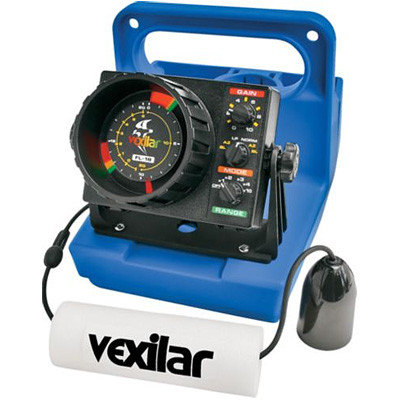
1. Vexilar FL-18 Genz Pack — Best Ice Fishing Flasher
Vexilar FL-18 Genz Pack
What We Like
- Ultra-fast real-time display eliminates any lag between jig movement and screen response, 19 depth ranges, zoom function, Surface Clarity mode for shallow water, tough polycarbonate housing, built-in carrying case
What Could Improve
- Analogue-style flasher has a learning curve for new ice anglers, no GPS or mapping functionality, not dual-purpose for open water
The FL-18 Genz Pack is the standard against which all other ice fishing sonar is measured. Dave Genz — the man who is largely credited with developing modern ice fishing as a sport — designed this unit. The flasher display responds instantaneously to your jig's movement, showing a coloured arc whose width indicates target strength. Once you learn to read it, you can differentiate between your jig, a small panfish, and a large walleye at a glance.
The Genz Pack includes the FL-18 unit, a 9 Ah sealed lead-acid battery, battery charger, and a padded carrying bag — everything you need out of the box.
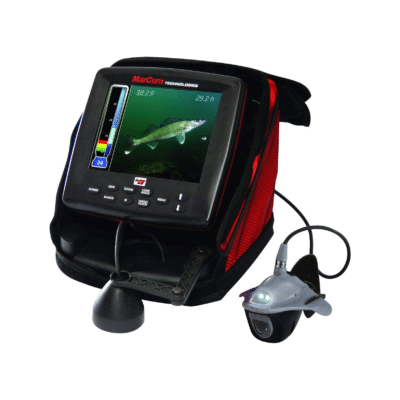
2. Marcum LX-9Di — Best LCD Ice Sonar
Marcum LX-9Di
What We Like
- 5" LCD plus built-in digital flasher display, Dual-beam CHIRP sonar, GPS, detailed built-in maps, ice transducer and shuttle included, adjustable interference rejection
What Could Improve
- LCD refresh rate is still slower than pure flasher for fast jigging response, heavier than flasher-only units
The LX-9Di is the best hybrid unit in ice fishing — combining a traditional circular flasher display with a 5" LCD sonar screen on the same device. You get the real-time jigging feedback of a flasher plus the depth chart, fish arches, and GPS mapping of a digital unit. The built-in maps cover thousands of lakes with depth contours, making it excellent for exploring new ice. Dual-beam CHIRP sonar covers a wide enough cone to find fish as you move between holes.
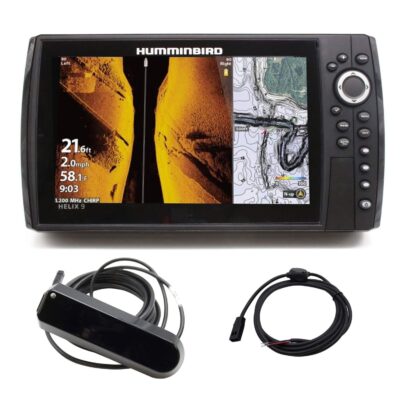
3. Humminbird ICE HELIX 9 CHIRP GPS G3N — Best Digital Ice Unit
Humminbird ICE HELIX 9 CHIRP GPS G3N
What We Like
- Full 9" HELIX unit with Side Imaging and Down Imaging adapted for ice fishing, GPS with AutoChart Live for mapping ice structure, compatible with Humminbird ice transducer and flasher display mode
What Could Improve
- Bulkier than flasher units, battery requirements are higher, Side Imaging is less useful on ice than open water
The ICE HELIX 9 G3N is for anglers who want the full feature set of a Humminbird HELIX unit on ice. Side Imaging on ice requires a specialised transducer mount but is genuinely useful for scanning structure horizontally under the ice — locating weed edges, drop-offs, and rock piles without drilling multiple holes. AutoChart Live builds a depth map of every hole you drill, creating a personal bottom contour chart of your ice fishing lake.
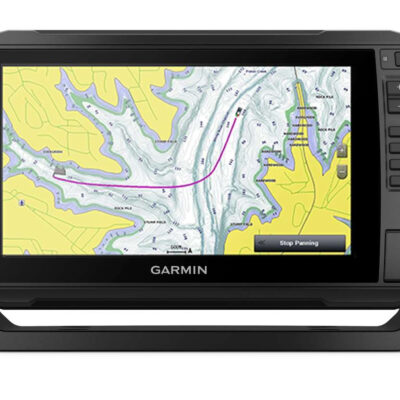
4. Garmin Panoptix LiveScope Ice — Best Live Sonar for Ice
Garmin Panoptix LiveScope Ice
What We Like
- Real-time live sonar shows fish swimming to your bait in the hole, unmatched ability to track individual fish reactions to jig presentation, compatible with ECHOMAP units via NMEA 2000
What Could Improve
- $1,499 investment, requires compatible Garmin display unit, overkill for casual ice anglers
Garmin LiveScope Ice is the most advanced ice fishing technology available today. The LiveScope IPS transducer sits in the ice hole pointing down, transmitting a real-time image of everything below — including individual fish, their exact depth, and their movement toward your jig. You can watch a fish swim up, inspect your bait, and either strike or turn away — and adjust your jigging presentation accordingly in real time. Tournament walleye and perch anglers have reported transformational results.
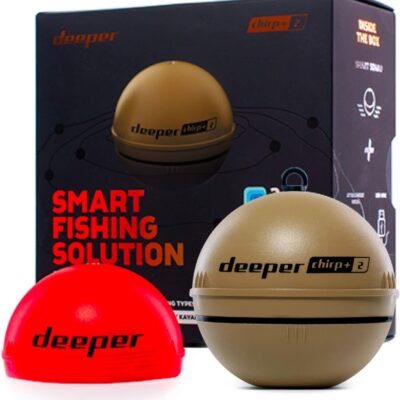
5. Deeper CHIRP+ 2 Ice Pack — Best Portable Option
Deeper CHIRP+ 2 Ice Pack
What We Like
- Works on ice without dedicated power supply (uses smartphone battery via Wi-Fi), maps ice holes on your phone, CHIRP sonar, packs small, works open-water too
What Could Improve
- Wi-Fi connection is less reliable in extreme cold, smartphone battery drains faster in cold, no flasher mode
The Deeper CHIRP+ 2 is for anglers who want one device that works for both open-water and ice fishing without carrying separate units. Lower the Deeper into your ice hole and it connects via Wi-Fi to your smartphone, displaying real-time sonar in the Deeper app. It maps depth as you move between holes. Cold temperatures reduce Wi-Fi reliability and smartphone battery life — keep your phone inside your jacket between uses.
Flasher vs Digital: Which to Choose?
Choose a flasher if: You jig aggressively (walleye, perch, crappie jigging), want real-time feedback with zero lag, and fish the same body of water regularly where you know the structure. | Choose a digital unit if: You explore new water frequently (GPS mapping is invaluable), fish multiple species requiring different techniques, or want side imaging to locate structure without drilling extra holes. | Choose live sonar if: You are a serious or competitive angler, want to watch fish react to your presentation, and are willing to invest $1,499+ in the technology.
[faq]
